API-First Modernization: Connecting Legacy Systems to Future Platforms
Introduction: Why Connectivity Has Become the Real Modernization Challenge
Modernization used to be about replacement. Replace an old system. Replace outdated software. Replace infrastructure. That mindset no longer works.
Most enterprises today do not suffer because their legacy systems are completely broken. They suffer because those systems are isolated, rigid, and unable to connect easily to the fast-moving digital ecosystem around them.
Digital products, mobile experiences, analytics platforms, AI tools, partner portals, and cloud services all demand real-time access to enterprise data and functionality. Legacy systems were never designed for this level of interaction.
This is where API-first modernization changes the game.
At Sequentia, we see API-first strategies not as a technical choice, but as a modernization philosophy that allows enterprises to move forward without tearing everything apart. It enables legacy systems to participate in innovation instead of blocking it.
This blog explores what API-first modernization really means, why it is critical for enterprises today, and how organizations can use it to connect legacy systems to future-ready platforms with minimal risk and maximum scalability.
Understanding the Modern Enterprise Reality
Every enterprise system exists within a much larger ecosystem than it did ten or even five years ago.
A single customer interaction today may involve:
-
a mobile app interface
-
an API gateway
-
an authentication service
-
a legacy transaction engine
-
a reporting system
-
a CRM platform
-
an analytics platform
Customers do not see these layers. They only experience speed, clarity, and reliability or the lack of it.
The challenge for enterprises is that most legacy systems were built as tightly coupled monoliths. Business logic, data, and workflows are deeply entangled. Every integration becomes custom. Every change takes longer. Every new digital initiative feels heavier than it should.
Replacing these systems is rarely realistic in one move. API-first modernization offers an alternative path.
What API-First Modernization Really Means
API-first modernization is often misunderstood as simply adding APIs to existing systems. In reality, it is about redesigning how systems communicate and evolve.
An API-first approach means:
-
APIs are designed before systems are built or modified
-
APIs are treated as products, not technical outputs
-
APIs expose business capabilities, not internal complexity
-
APIs provide stability while underlying systems evolve
In this model, legacy systems are no longer directly accessed by new applications. They are accessed through well-defined interfaces that remain consistent even as internal logic changes over time.
This separation is what allows modernization to happen safely.
Why API-First Is the Foundation of Modernization
API-first modernization solves several structural problems that plague large enterprises.
1. It decouples innovation from legacy constraints
Digital teams can build new experiences without worrying about legacy system limitations. As long as APIs deliver the required capability, innovation can move forward independently.
2. It reduces integration complexity
Point-to-point integrations create fragile systems. APIs replace this chaos with standardized, reusable interfaces.
3. It enables incremental transformation
Legacy systems can be refactored, replaced, or retired behind stable APIs without breaking dependent applications.
4. It prepares enterprises for future platforms
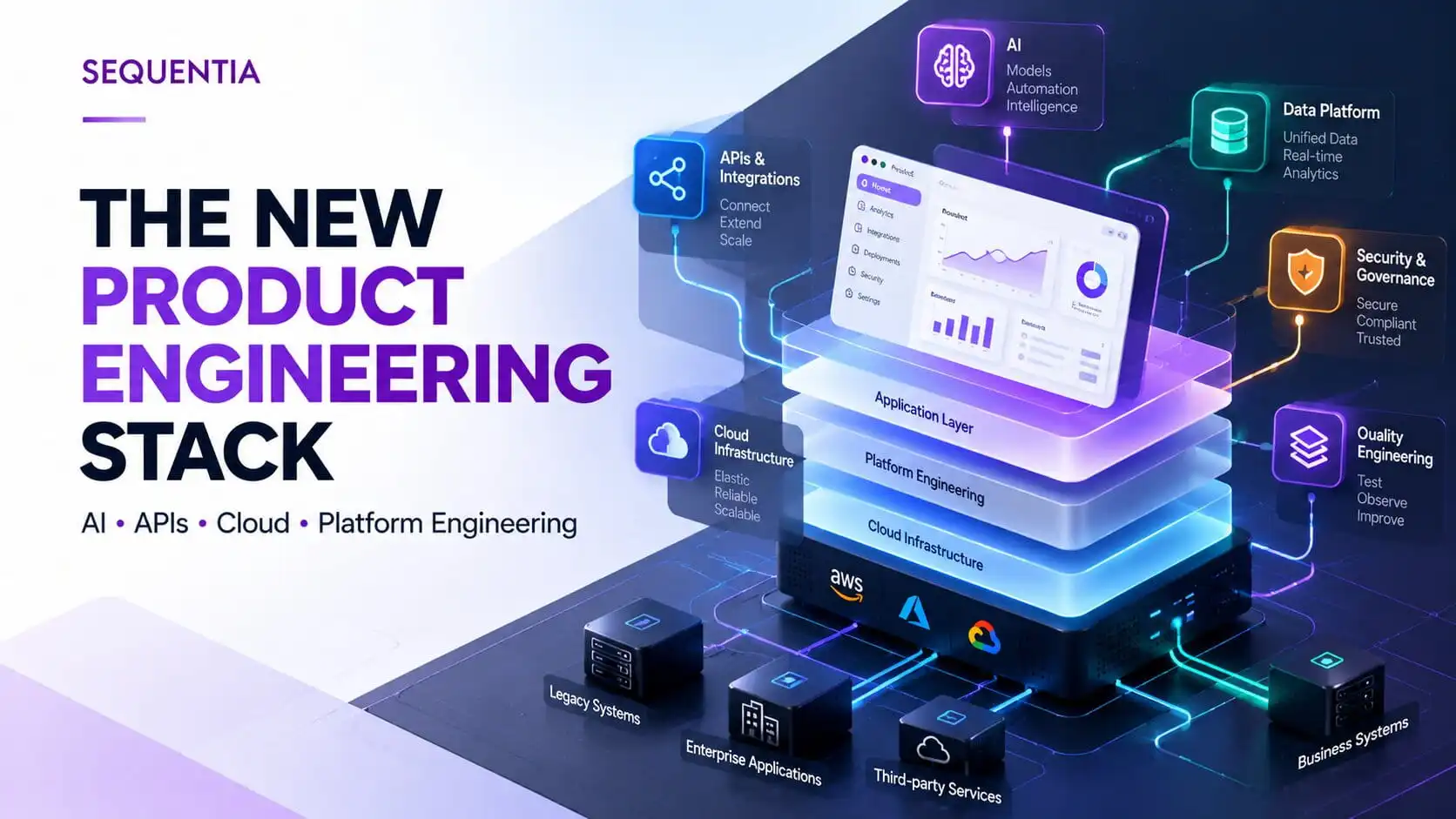
AI, analytics, automation, and partner ecosystems all depend on APIs. API-first modernization ensures enterprises are ready for these platforms.
From Monoliths to Modular Capabilities
One of the biggest shifts that API-first modernization enables is the move from application-centric thinking to capability-centric thinking.
Instead of asking, “What does this system do?”, enterprises begin asking, “What capabilities does this system provide?”
For example:
-
order processing
-
user authentication
-
payment validation
-
pricing rules
-
inventory availability
Each capability becomes an API-supported service. Some remain backed by legacy logic. Others may be rebuilt using modern frameworks. The key is that consumers of these capabilities do not need to care where or how they are implemented.
This approach creates flexibility without disruption.
API-First Modernization as a Business Strategy
API-first modernization is not just an IT initiative. It directly supports business strategy.
Faster Time to Market
New products and features can be assembled using existing APIs instead of rebuilding logic repeatedly.
Improved Partner Enablement
Partners can integrate securely through APIs instead of custom integrations.
Scalable Digital Experience
Mobile apps, portals, and digital channels share APIs, creating consistency across experiences.
Better Technology ROI
Legacy investments continue delivering value while modernization progresses incrementally.
When APIs are designed around business capabilities, technology becomes an accelerator rather than a bottleneck.
A Practical API-First Modernization Journey
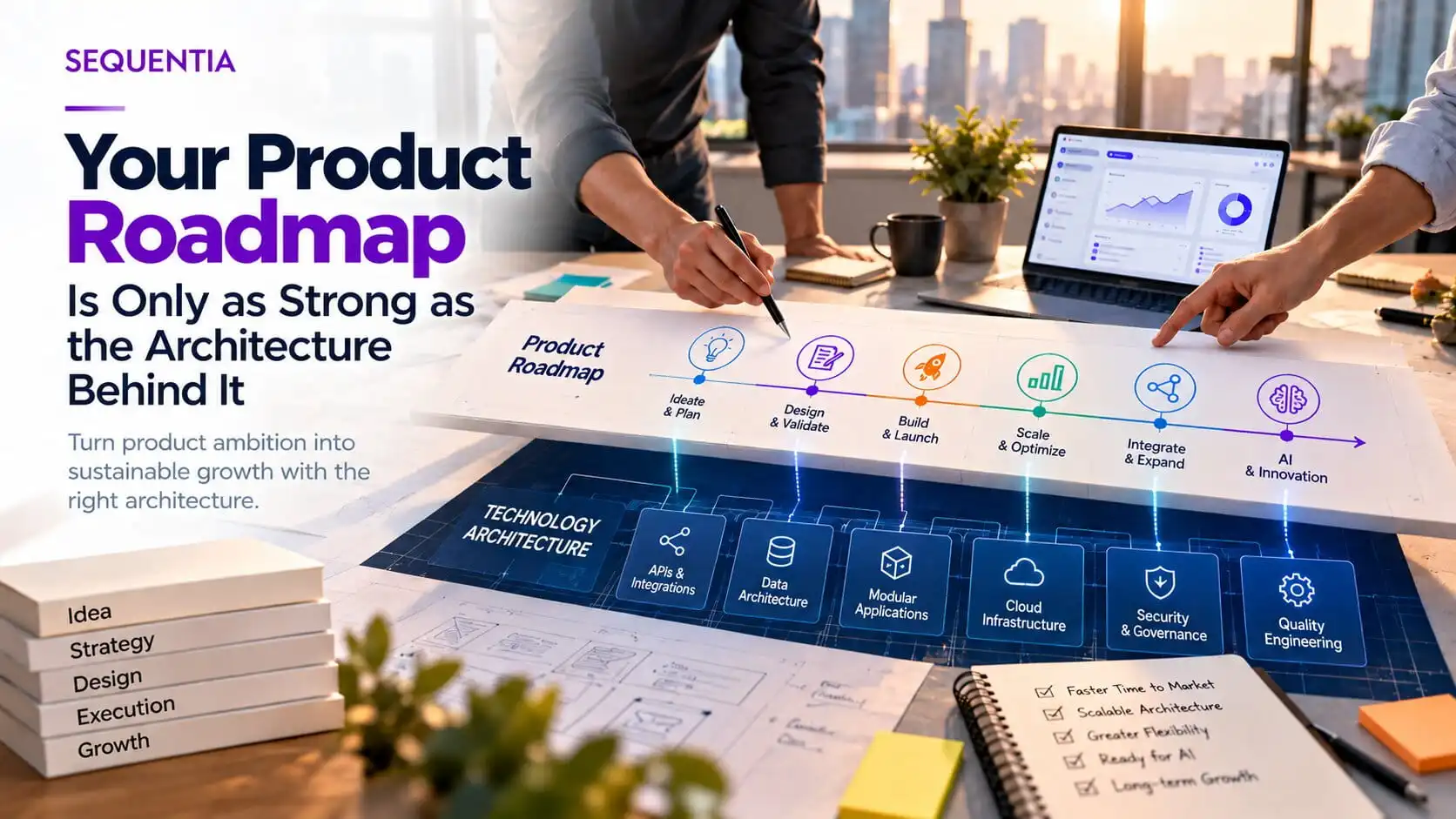
Successful API-first modernization follows a clear sequence. Skipping steps often creates more problems than it solves.
Step 1: Identify and Prioritize Business Capabilities
Not all capabilities are equal. Some change frequently. Some are stable for years. Some carry higher business risk.
Begin by mapping capabilities based on:
-
business value
-
frequency of change
-
dependency count
-
operational risk
This prioritization guides where APIs should be designed first.
Step 2: Design APIs Independently from Implementation
API contracts should not expose internal database structures or procedural workflows. They should represent business intent.
For example, instead of exposing database tables, expose actions such as “create order” or “verify account”.
This abstraction ensures that API consumers are protected from future changes beneath the surface.
Step 3: Introduce an API Management Layer
As APIs grow, governance becomes critical.
API management platforms provide:
-
authentication and authorization
-
version control
-
traffic throttling
-
monitoring and analytics
-
security enforcement
This layer ensures that APIs remain secure, predictable, and manageable at scale.
Step 4: Modernize Behind the API
Once APIs exist, internal systems can evolve safely.
Legacy modules can be:
-
refactored gradually
-
replaced with microservices
-
enhanced with cloud services
-
optimized for performance
Consumers remain unaffected as long as the API contract is preserved.
Step 5: Establish API Governance as a Discipline
APIs are long-lived assets.
Strong governance ensures:
-
consistent naming conventions
-
standardized error handling
-
clear ownership
-
backward compatibility
-
controlled deprecation
Without governance, API sprawl quickly becomes a new form of technical debt.
Security and Compliance in an API-First World
APIs increase exposure. They also increase control when designed correctly.
API-first modernization must include:
-
unified identity and access management
-
encryption for all data in transit
-
rate limiting and monitoring
-
secure API gateways
-
auditability and logging
For regulated industries, APIs can actually improve compliance by centralizing access control instead of spreading it across systems.
Security becomes clearer, not weaker.
Common Mistakes Enterprises Make
Even with good intentions, API-first initiatives can fail.
Some common mistakes include:
-
exposing legacy systems without abstraction
-
treating APIs as quick connectors instead of products
-
ignoring versioning and lifecycle planning
-
allowing teams to build APIs without shared standards
-
skipping documentation
Modernization succeeds when APIs are designed carefully, not hastily.
A Real Adoption Story
A large manufacturing enterprise wanted to launch partner portals and real-time tracking tools. But their core ERP system was decades old and impossible to integrate directly.
Instead of replacing the ERP, we recommended an API-first modernization approach.
Key steps included:
-
identifying key business capabilities needed by partners
-
designing clear API contracts around those capabilities
-
implementing an API gateway with strong security
-
gradually optimizing legacy logic behind APIs
The result was:
-
faster partner onboarding
-
improved data consistency
-
reduced operational load
-
no disruption to core ERP workflows
This approach allowed innovation without destabilizing operations.
API-First as the Bridge to AI and Automation
Future platforms such as AI, machine learning, and intelligent automation depend on access to structured, reliable APIs.
Without APIs:
-
AI systems cannot retrieve real-time data
-
automation remains shallow
-
analytics pipelines break
-
orchestration becomes brittle
API-first modernization prepares enterprises for the next generation of digital platforms long before they adopt them.
Why Sequentia’s API-First Approach Works
At Sequentia, API-first modernization is grounded in:
-
product strategy
-
business capability modeling
-
engineering best practices
-
security and governance
-
quality engineering
We treat APIs as strategic assets that power digital experience, integration, and innovation across the enterprise.
Our approach focuses on:
-
reducing risk
-
improving agility
-
enabling continuous modernization
-
protecting business continuity
This balance is what makes transformation sustainable.
Conclusion: APIs Are the Language of the Modern Enterprise
Enterprises do not modernize by replacing everything. They modernize by connecting everything intelligently.
API-first modernization enables legacy systems to evolve, integrate, and deliver value far beyond their original design.
APIs are not connectors. They are contracts. They define how tomorrow’s platforms will interact with today’s systems.
The enterprises that succeed in the coming decade will be those that understand this and act early. They will build systems that adapt instead of resist change.
.webp)
Pune
Sequentia Software Solutions Pvt Ltd
401, Koyna, Mohan Nagar,
Baner, Pune, Maharashtra - 411045.
Jalgaon
Sequentia Software Solutions Pvt Ltd
06, Rambhau Joshi Market, Opposite Golani Market, Navi Peth, Jalgaon, Maharashtra - 425001.