Preparing Enterprise Systems for 2026: Architecture, APIs, and Execution Readiness
As organizations approach 2026, a quiet but significant shift is underway. The conversation is no longer about whether enterprises should modernize their systems. That debate is largely settled. The real question now is whether existing systems are ready to support the pace, complexity, and expectations that the next phase of digital growth will demand.
Many enterprises believe they are prepared because they have migrated to the cloud, adopted agile delivery models, or introduced modern tools. Yet readiness is not defined by surface-level upgrades. It is defined by whether systems can evolve safely, integrate predictably, and support new business demands without destabilizing operations.
In our work at Sequentia, we see a growing gap between perceived readiness and actual readiness. This gap becomes visible when organizations attempt to scale new initiatives, introduce AI-driven capabilities, expand digital channels, or respond to regulatory and market pressure. Systems that looked modern struggle under change. Teams slow down. Risk increases.
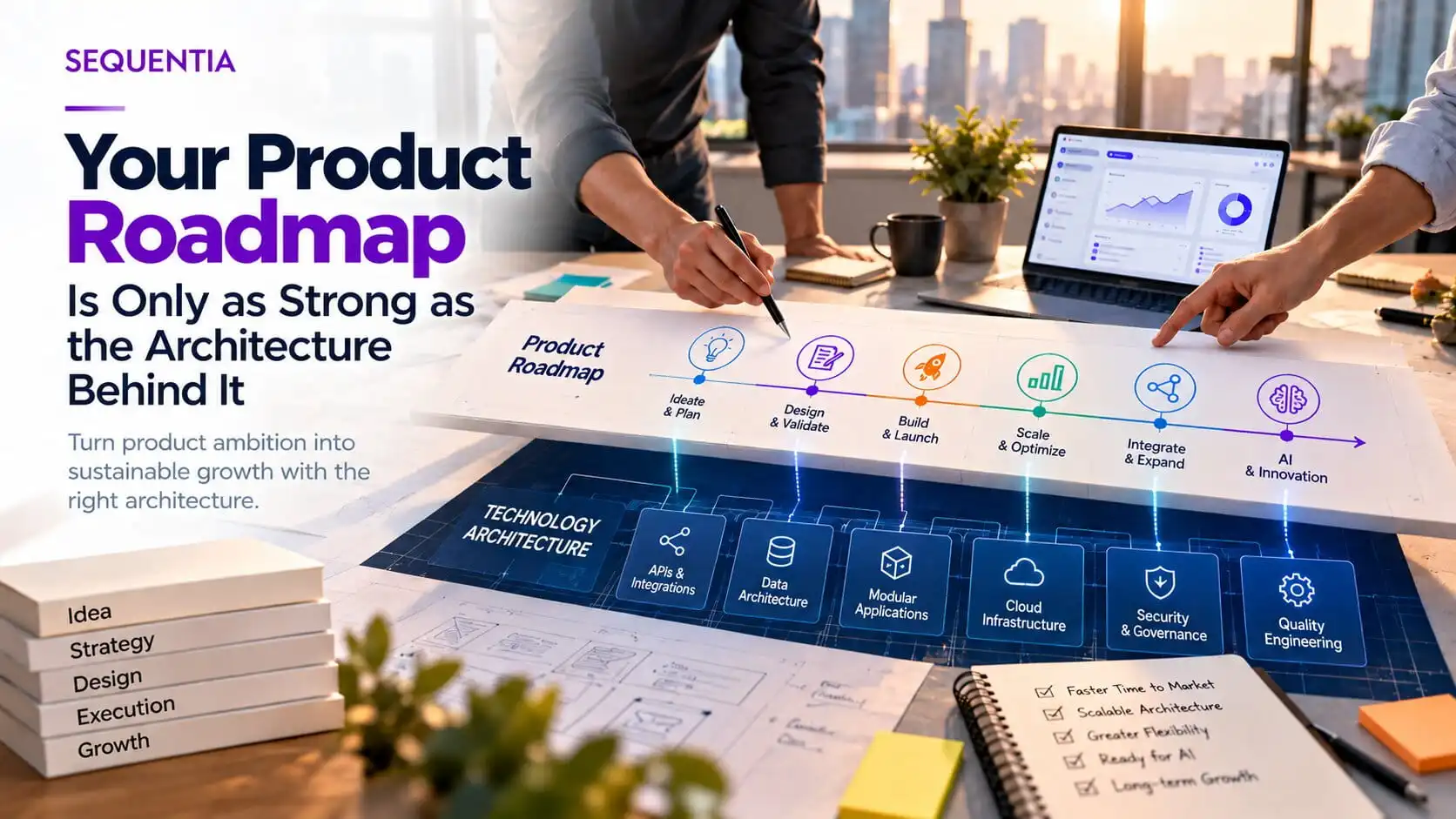
Preparing enterprise systems for 2026 requires a deeper focus on architecture, APIs, and execution readiness. These elements determine whether modernization efforts truly enable growth or simply postpone constraints.
Why Readiness Is a Structural Problem, Not a Technology Problem
Most enterprises evaluate readiness by looking at tools and platforms. Are we on the cloud? Are we using modern frameworks? Do we have CI pipelines? While these factors matter, they do not guarantee readiness.
Readiness is fundamentally structural. It depends on how systems are designed, how responsibilities are distributed, and how change flows through the organization.
Enterprises that struggle in moments of change often share similar characteristics. Their systems are tightly coupled. Ownership is unclear. Data responsibilities overlap. APIs expose internal complexity rather than abstracting it. Quality engineering is reactive. Decision-making is slow because impact is unpredictable.
These issues persist regardless of technology choices. A cloud-native system with poor structure behaves like a legacy system under pressure. Conversely, a well-structured system built on older technology often outperforms newer platforms when it comes to adaptability.
Preparing for 2026 means addressing structure first.
Architecture as the Foundation of Execution
Architecture is often discussed as a technical blueprint. In reality, it is an execution framework.
Good architecture reduces decision fatigue. It makes choices obvious. It defines where change should happen and where it should not. It allows teams to reason about impact before making changes.
Poor architecture does the opposite. It forces teams to rely on tribal knowledge. It increases coordination overhead. It makes every change feel risky.
As enterprises prepare for increased complexity in 2026, architecture must support continuous change rather than occasional transformation. This requires clear boundaries aligned to business capabilities, not just technical layers.
When architecture reflects business intent, execution becomes faster and safer.
Why Capability-Based Architecture Matters More Than Ever
Traditional enterprise architecture often mirrors organizational silos or historical system boundaries. This approach creates friction as business models evolve.
Capability-based architecture reframes systems around what the business actually does. Capabilities such as onboarding, pricing, fulfillment, analytics, compliance, and reporting evolve over time and often span multiple systems.
By aligning architecture to capabilities, enterprises create stable anchors that support change. Systems can be refactored or replaced behind these anchors without disrupting consumers. Teams gain clearer ownership. Dependencies become explicit.
This approach is essential for 2026 readiness because it supports incremental evolution rather than disruptive rewrites.
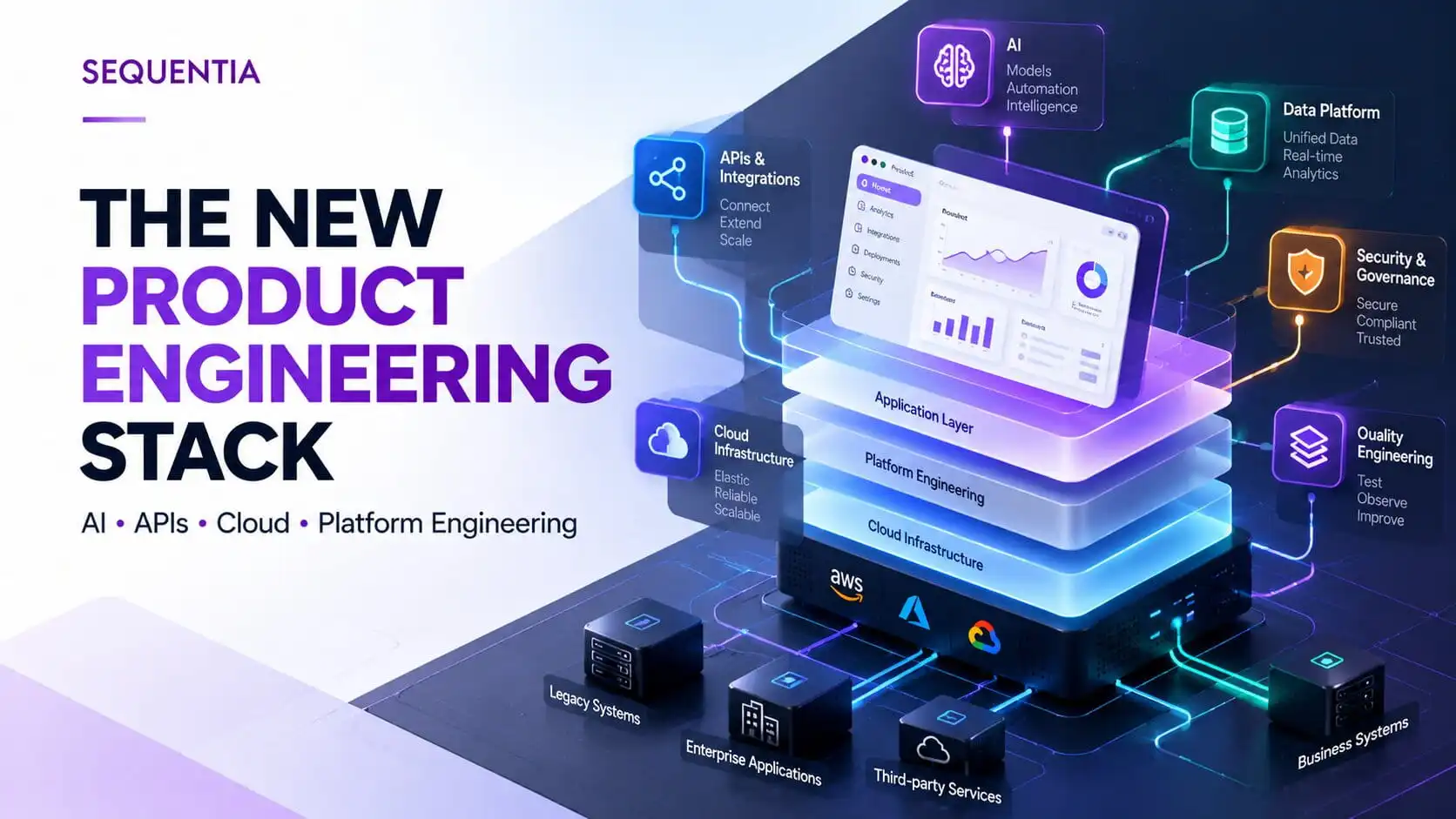
APIs as the Nervous System of the Enterprise
APIs play a central role in modern enterprise systems, yet their importance is often underestimated. Many organizations treat APIs as integration utilities rather than strategic assets.
In reality, APIs determine how systems communicate, how change propagates, and how easily new capabilities can be introduced.
Well-designed APIs provide abstraction. They hide internal complexity. They create stable contracts that allow systems to evolve independently. They enable experimentation without destabilizing core operations.
Poorly designed APIs expose internals. They create hidden coupling. They force consumers to adapt to implementation details. Over time, they recreate monolithic dependencies in a distributed form.
As enterprises prepare for 2026, API discipline becomes critical. APIs must be designed intentionally, governed consistently, and treated as long-term contracts.
Data Accessibility Without Data Chaos
Data is at the center of nearly every enterprise initiative. Analytics, AI, personalization, automation, and compliance all depend on reliable data flows.
Yet many organizations struggle with data chaos. Multiple systems write to the same data. Ownership is unclear. Quality issues surface late. Reporting becomes inconsistent.
Preparing for 2026 requires balancing data accessibility with data responsibility.
Systems must expose data in ways that support analytics and integration without creating shared ownership. Domain-aligned data ownership, combined with controlled access through APIs or events, allows data to flow without becoming a bottleneck.
Without this clarity, advanced initiatives will stall regardless of investment.
Execution Readiness Is About Confidence, Not Speed
Execution readiness is often mistaken for delivery speed. Teams release frequently, pipelines are automated, and metrics show velocity.
But readiness is not about how fast teams can push code. It is about how confidently they can change systems.
Confidence comes from predictability. From knowing that changes will behave as expected. From having visibility into system behavior. From understanding dependencies and impact.
Enterprises that lack execution readiness compensate with process. More approvals. More reviews. More controls. This slows delivery and frustrates teams.
Enterprises that invest in readiness reduce the need for heavy process. Teams move faster because the system supports them rather than resisting change.
The Role of Quality Engineering in Readiness
Quality engineering is a cornerstone of execution readiness.
Automated testing ensures critical workflows remain intact as systems evolve. Observability provides insight into real-world behavior. Performance validation ensures scale does not degrade experience. Resilience testing exposes weaknesses before users encounter them.
Without these capabilities, organizations rely on hope. With them, they rely on evidence.
Quality engineering transforms execution from a risk-laden activity into a controlled process. As complexity increases in 2026, this distinction becomes more important.
Why Organizational Alignment Determines Technical Readiness
Systems do not exist in isolation. They reflect how organizations are structured and how decisions are made.
When ownership is unclear, architecture degrades. When incentives reward speed over quality, shortcuts accumulate. When governance is inconsistent, standards erode.
Preparing systems for 2026 requires aligning organizational structures with architectural intent. Teams should own capabilities. Decision rights should be clear. Governance should guide rather than block.
Technical readiness without organizational readiness is unsustainable.
Avoiding the Trap of Over-Standardization
As enterprises scale, there is a temptation to standardize everything. Tools, frameworks, patterns, and processes are unified to reduce complexity.
While some standardization is necessary, excessive standardization can reduce adaptability. Different capabilities have different needs. Overly rigid standards slow innovation.
Readiness comes from shared principles rather than identical solutions. Architecture guidelines, API standards, and quality practices should be consistent, while implementation remains flexible.
This balance allows enterprises to scale without becoming rigid.
Measuring Readiness Beyond Traditional Metrics
Traditional metrics such as uptime, release frequency, and defect counts provide limited insight into readiness.
More meaningful signals include:
- How easily can teams introduce new capabilities?
- How predictable are deployments?
- How visible are dependencies?
- How quickly can issues be diagnosed?
- How confidently can teams experiment?
- These questions reveal whether systems are prepared for future demands.
Sequentia’s Perspective on 2026 Readiness
At Sequentia, we help enterprises prepare for the future by strengthening foundations rather than chasing trends.
Our work focuses on designing architectures that support change, establishing API-first integration models, clarifying data ownership, embedding quality engineering, and aligning teams with system design.
Readiness is not achieved through one initiative. It is built through consistent, deliberate decisions that compound over time.
Enterprises that invest in readiness today reduce risk tomorrow and create space for innovation.
Readiness Is the Real Competitive Advantage
Preparing enterprise systems for 2026 is not about predicting the future. It is about ensuring systems can respond to whatever the future brings.
Architecture, APIs, and execution readiness are not technical concerns. They are strategic capabilities.
Enterprises that invest in them will move with confidence. Those that do not will find themselves reacting under pressure.
The difference will define who leads and who struggles in the years ahead.
.webp)
Pune
Sequentia Software Solutions Pvt Ltd
401, Koyna, Mohan Nagar,
Baner, Pune, Maharashtra - 411045.
Jalgaon
Sequentia Software Solutions Pvt Ltd
06, Rambhau Joshi Market, Opposite Golani Market, Navi Peth, Jalgaon, Maharashtra - 425001.