Embarking on Your Digital Transformation Journey: The Why and The How
Over the past few years, the drive to adopt digital technologies has intensified across industries. Organizations are dedicating more resources and focus to digital strategies, making digital transformation a central goal rather than a side initiative.
Yet amid this rush, a critical question often gets overlooked: Why embark on a digital transformation journey in the first place? Why invest so much time, money, and energy into reimagining how your business operates and delivers value?
Why should you consider a digital transformation journey?
At its core, digital transformation is about staying competitive and relevant in a fast-evolving market while unlocking new avenues for growth. A well-executed digital strategy allows companies to cover significant ground, positioning them to thrive in changing environments.
On one hand, digital transformation empowers businesses to meet the increasing complexity of customer needs. Today’s customers expect personalized, seamless, and instant service across channels. A strong digital foundation enables companies to deliver these experiences, enhancing customer satisfaction and loyalty.
On the other hand, strategic digitalization helps organizations address challenges such as supply chain disruptions, improve profitability, and accelerate time-to-market. Internally, it enhances collaboration between departments, streamlines processes, and drives productivity across teams.
Ultimately, this is why digital transformation matters. Investments in IT and software are no longer just operational costs; they have become essential drivers of value, differentiation, and customer-centric innovation.
4 key steps to start your digital transformation journey
Knowing where to begin can feel overwhelming. However, approaching the journey step by step will set you up for a smoother transition and long-term success.
1. Define what digital transformation means for your business
“Digital transformation” can mean different things depending on your industry, company size, customer needs, and current state of digital maturity. To set the right direction, take the time to assess your specific context and challenges, then clarify what needs to change to advance your business.
A useful way to approach this is by considering these four dimensions:
- Process transformation
- Business model transformation
- Domain transformation
- Cultural transformation
By defining what transformation means for you, you set a clear, relevant path that aligns with your vision and your customers’ needs.
2. Decide how your business will go digital and select the right technologies
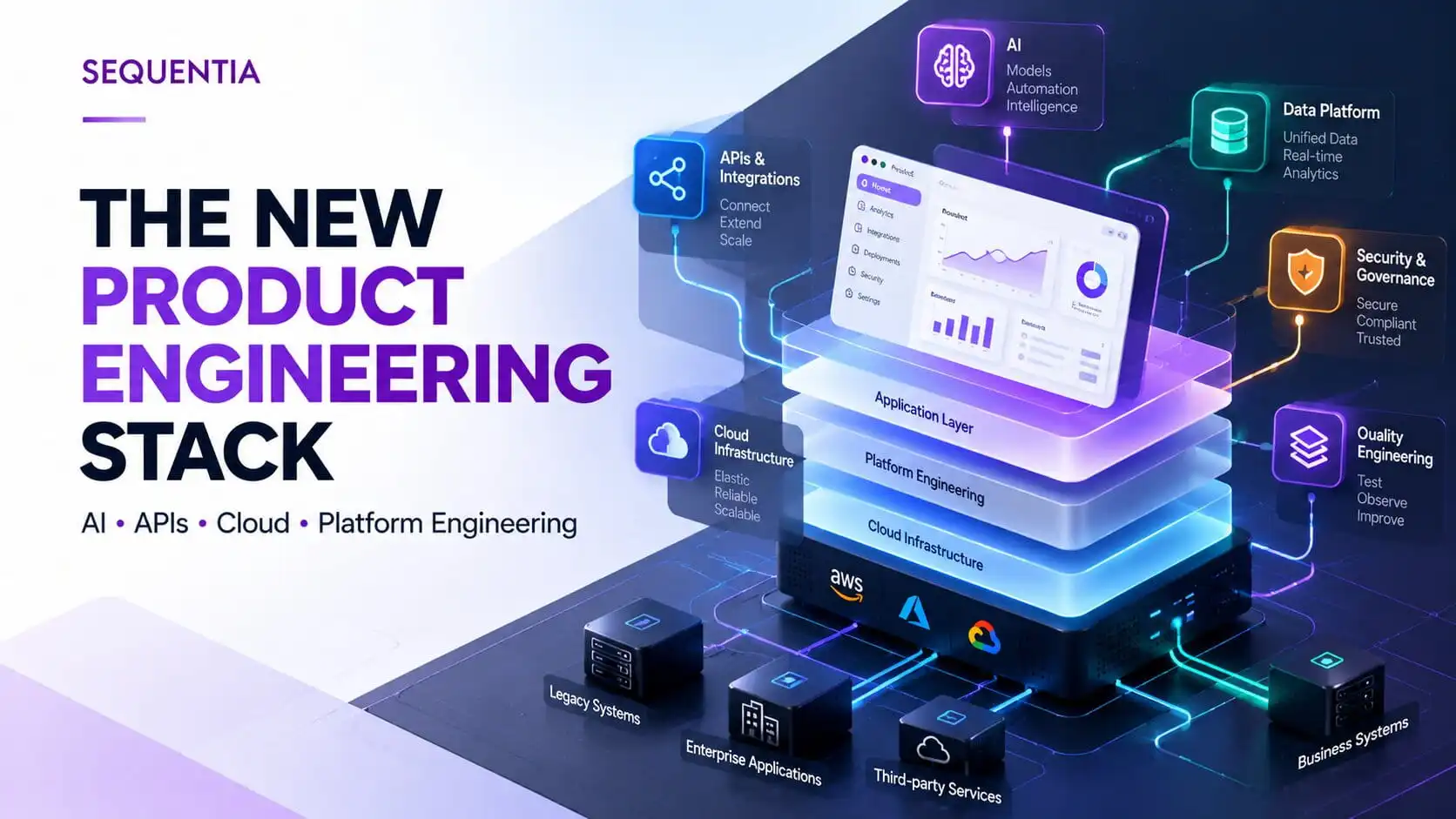
Once you understand what digital transformation will look like for your organization, it’s time to determine how you will execute it. Will you modernize legacy systems, overhaul your front and back-end, or adopt new digital tools and platforms—or a combination of these?
Best-in-class organizations often invest in:
- Cloud technologies
- Agile and DevOps practices
- Automated testing and deployment pipelines
- Artificial intelligence (AI)
- Proprietary data
The technologies you choose should align with your business goals and bring measurable value to your customers. Remember, adopting technology is not the end goal; it’s the means to creating a more agile, customer-centric, and future-ready business.
3. Identify the right partners for your journey
You don’t have to navigate this journey alone. In fact, partnerships—both internal and external—are critical to a successful transformation.
Internally, executive buy-in is essential. When leaders understand and advocate for digital transformation, it helps create a culture that embraces change. Organizations that prioritize hiring and developing tech-savvy leaders are often the ones that drive transformation successfully.
Externally, the right partners can offer expertise, tools, and proven frameworks to guide your journey efficiently. Engaging with experienced digital transformation partners early on can help you avoid common pitfalls and tailor your approach to fit your unique needs and objectives.
4. Communicate your vision clearly with your teams
Digital transformation isn’t just a technology initiative; it’s a company-wide shift that requires your employees’ support. Before you begin, share your vision and objectives transparently with your teams.
Explain the reasons behind the transformation, the changes they can expect, and how it will positively impact them and the organization. Provide clear timelines, encourage questions, and offer training to prepare your teams for the upcoming changes. When your employees are informed and engaged, they become active participants in driving transformation forward.
What should your digital transformation strategy include?
The steps above form the foundation of your journey, but to sustain progress, you need a comprehensive strategy or digital transformation roadmap. This strategy will act as your guide, helping you measure progress, adapt as needed, and ensure alignment across the organization.
Your strategy should answer these key questions:
- Why does your company need digital transformation?
- How will your business model evolve?
- What resources will you need?
- What is your timeline and milestones?
A clear strategy ensures that your transformation journey is structured, purposeful, and outcome-driven, preventing it from becoming an open-ended initiative with unclear results.
How Sequentia can support your digital transformation journey
Partnering with the right team can make a world of difference. At [Your Company Name], we specialize in helping businesses navigate digital transformation with confidence.
Whether you need to modernize legacy systems, implement cloud and AI solutions, or redesign customer experiences, we provide end-to-end support tailored to your goals. We work closely with your teams to build a clear roadmap, implement scalable solutions, and foster a culture of continuous improvement.
Ready to take the next step in your digital transformation journey? Connect with us today to discuss how we can support you in building a resilient, innovative, and digitally enabled future for your business.

.webp)
Pune
Sequentia Software Solutions Pvt Ltd
401, Koyna, Mohan Nagar,
Baner, Pune, Maharashtra - 411045.
Jalgaon
Sequentia Software Solutions Pvt Ltd
06, Rambhau Joshi Market, Opposite Golani Market, Navi Peth, Jalgaon, Maharashtra - 425001.